• Skip to primary navigation
  • Skip to main content
  • Skip to primary sidebar

Jay Nesbit

Helping Individuals Discover and Unlock Their True Potential

  • Life Well Lived Books
  • About Jay
  • Free Resource Library
  • The Beginner’s Guide to Personal Growth and Success
  • Rise Above the Rut
  • Small Changes BIG RESULTS
  • The 7 Benefits of Retirement Planning
  • My Blog
  • Contact and Contest Form

Jay Nesbit

The 5 Emotional Stages of Retirement (And How to Deal with Them)

April 3, 2025 by Jay Nesbit

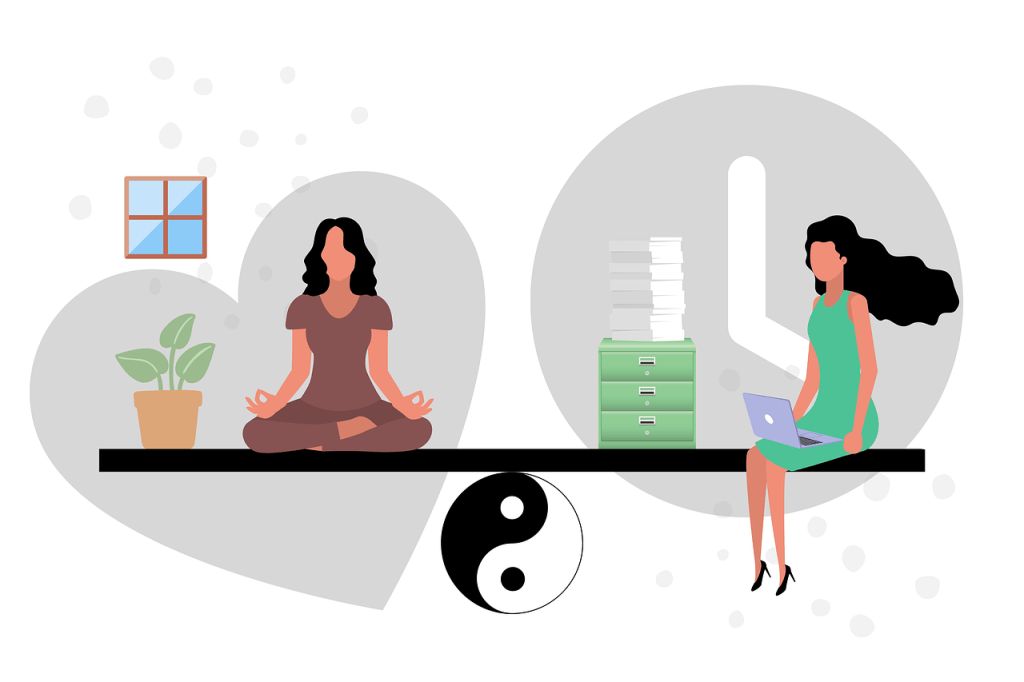
Image by Rosy / Bad Homburg / Germany from Pixabay

The Pharmacist Wordsmith – April 3, 2025 – Life-Changing Words Post #45

Let’s be real—retirement isn’t always the champagne-and-beach-walks fantasy people make it out to be.

Sure, it can be amazing. But it’s also a huge life change. And just like any major transition, there are some emotional twists and turns.

In fact, a lot of retirees go through something that looks suspiciously like the five stages of grief. Not because retirement is bad—but because you’re leaving behind a big part of your identity, routine, and social life.

So, let’s break it down and talk about how to handle each stage.

1. Stage One: The Honeymoon Phase (“This Is Awesome!”)

What it feels like:
You sleep in. No alarms. No emails. You enjoy long lunches. Maybe even a trip or two. It’s the first taste of freedom, and it’s sweet.

What to watch out for:
This phase is fun, but it doesn’t last forever. If you expect retirement to always feel like a vacation, reality might hit harder later.

What helps:
Enjoy the freedom but start thinking ahead. What do you want your everyday life to look like when the novelty wears off?

The Planning, Living, and Thriving in Retirement Cheat Sheet

Retirement shouldn’t be a guessing game. Get the key steps to planning, living, and thriving in your golden years with my free Retirement Cheat Sheet!

2. Stage Two: The “Now What?” Phase

What it feels like:
The sparkle fades. You start feeling a little… lost. Like you’re drifting. You miss the structure of work—or at least the sense of purpose it gave you.

What to watch out for:
This is where boredom, restlessness, or even sadness can sneak in. You might feel guilty for not being “happier.”

What helps:
Normalize it. This is common. You’re not failing retirement—you’re just adjusting. Start building routines and trying out new interests. Focus on exploring, not having it all figured out.

3. Stage Three: Identity Crisis (“Who Even Am I Without My Job?”)

What it feels like:
You realize how much your job was tied to your identity. Without it, you might feel like you’re floating. People ask what you do, and you hesitate. “I’m retired,” doesn’t always feel satisfying.

What to watch out for:
Losing your sense of self can lead to low self-esteem or even depression if it lingers.

What helps:
This is your chance to redefine who you are. Volunteer. Mentor. Start something creative. Dive into hobbies or causes you care about. You still matter—your role just changed.

4. Stage Four: Reinvention

What it feels like:
You start finding your groove. You pick up new habits, rekindle old passions, and begin to see this next phase as yours to shape. You realize retirement isn’t the end—it’s a reset.

What to watch out for:
Don’t rush this phase. It takes time. And it’s okay to try things that don’t stick.

What helps:
Stay curious. Say yes to things. Let yourself fail at something new. This phase is about experimenting and rediscovering joy in unexpected places.

Available everywhere books are sold!

5. Stage Five: Contentment

What it feels like:
You’re settled. Happy. Maybe even thriving. You’ve built a new life that fits you, not just the old you who wore a badge or had a title.

What to watch out for:
Even in this stage, life throws curveballs. Health changes. Family dynamics shift. Stay flexible.

What helps:
Keep showing up for yourself. Stay connected. Keep learning and adjusting. This isn’t a “set it and forget it” thing—it’s a lifestyle.

Final Thought:

Retirement isn’t just about leaving work—it’s about stepping into a whole new version of your life.

Some days it’ll feel amazing. Some days it’ll feel weird. That’s normal.

The key? Don’t expect instant bliss. Give yourself space to feel all the feelings, and permission to grow into this new chapter.

You’re not just retiring. You’re reinventing. And that’s something worth getting excited about.

Published by One Books
www.jaynesbit.com

Filed Under: Blogs

How Should I Live My Life?

March 20, 2025 by Jay Nesbit

Image by Sophie Janotta from Pixabay

The Pharmacist Wordsmith – March 20, 2025 – Life-Changing Words Post #44

How should I live my life? This question hits different, doesn’t it? It’s not just some casual thought that pops up in passing. It’s the kind of question that can keep you up at night, staring at the ceiling, wondering if you’re doing any of this right.

We all want to feel like our life matters. We want to make choices that lead to something meaningful, something fulfilling. But figuring out what that actually looks like? That’s the tricky part.

What Does This Question Really Mean?

When we ask, How should I live my life? We’re really asking a few things:

  • What actually makes me happy?
  • What’s worth my time and energy?
  • How do I make choices I won’t regret later?
  • What’s my purpose in life?
  • How do I create a fulfilling and successful life?

It’s a thorough analysis of who we are and what we want out of this one life we get. And let’s be honest—there’s no universal, one-size-fits-all answer. What works for someone else might not work for you. But that doesn’t mean the question isn’t worth asking. In fact, it might be the most important question you ever ask yourself.

The Planning, Living, and Thriving in Retirement Cheat Sheet

Retirement shouldn’t be a guessing game. Get the key steps to planning, living, and thriving in your golden years with my free Retirement Cheat Sheet!

Why It’s So Important

If you don’t ask this question, you risk drifting through life on autopilot. You wake up, go to work, pay the bills, and repeat. Before you know it, years have passed, and you’re left wondering if you actually lived or if you just existed.

Life is too short for that. Asking, How should I live my life? forces you to be intentional. It makes you stop and think about what actually matters to you, not just what society, family, or tradition says should matter. If you’re looking for personal development, self-improvement, or a guide to living a meaningful life, this question is where it all starts.

How Do You Find Your Answer?

Here’s the truth: No one else can answer this question for you. But here are some ways to start figuring it out for yourself:

  • Pay Attention to What Feels Right – What makes you feel alive? What are the moments when you feel most like yourself? Follow that feeling.
  • Define Your Own Version of Success – Forget what everyone else is doing. What does a good life look like for you? More freedom? More stability? More adventure? Get clear on it. Success isn’t one-size-fits-all, and finding true happiness means defining success on your own terms.
  • Learn from Regrets (Yours and Others’ – People at the end of their lives often regret the things they didn’t do. Use that as a guide. What would you regret not doing? Living without regret is a huge part of personal fulfillment and happiness.
  • Try, Fail, Adjust – There’s no straight path to the answer. The best way to figure out how to live your life is to actually live it. Try new things. Take risks. If something feels wrong, change course. Self-growth and self-discovery happen through action.
  • Trust Yourself – You probably already have a gut feeling about what kind of life you want. Stop doubting it. Start trusting it. Confidence and self-awareness are key to making the right decisions for your future.

Available everywhere books are sold!

The Bottom Line

You don’t need all the answers right now. But you do need to start asking the questions. How should I live my life? is not something you answer once and forget. It’s something you keep asking, keep refining, and keep chasing.

So, if you’re feeling lost, good. That means you’re thinking. That means you’re searching. And that’s where the best lives begin.

Whether you’re looking for motivation, self-help tips, or a personal development roadmap, keep exploring. Your journey to a more meaningful and purpose-driven life starts now.

Published by One Books
www.jaynesbit.com

Filed Under: Blogs

A Life Well Lived at Any Age

March 6, 2025 by Jay Nesbit

Life Well Lived image
Image by Rosy Ziegler from Pixabay

The Pharmacist Wordsmith – February 20, 2025 – Life-Changing Words Post #42

What does it mean to live well? For some, it’s about chasing big goals and achieving financial success. For others, it’s about deep relationships, personal growth, or simply enjoying the little moments. The truth is, there’s no single formula for a life well lived—and it certainly doesn’t start (or stop) at any particular age.

No matter where you are in life, you have the power to shape your future, find meaning in the present, and make choices that bring you joy and fulfillment.

The Myth of “Too Early” or “Too Late”

We often hear people say, “I’m too young to think about that,” or “It’s too late for me to start over.” But life isn’t a race with a fixed timeline. Some people find their calling at 20, while others reinvent themselves at 60. A life well lived isn’t measured by when you achieve something—it’s measured by how fully you engage with each stage of life.

  • In your 20s and 30s, you may be focused on building a career, exploring relationships, and figuring out who you are. This is a great time to take risks, develop skills, and establish the habits that will serve you for decades.
  • In your 40s and 50s, priorities may shift toward financial security, family, and deepening your purpose. This stage often brings reflection, where you evaluate what truly matters and adjust course accordingly.
  • In your 60s, 70s, and beyond, many people find freedom—whether through retirement, personal passions, or giving back. But this isn’t just a time to slow down; it’s a time to fully embrace what you love, invest in relationships, and continue learning and growing.

No matter your age, the key is to stay engaged, adaptable, and intentional with how you spend your time and energy—so take a minute to check out the free download offer below. Your future self will high-five you. 🙌

A worry-free, fulfilling retirement starts with the right plan. Download this FREE guide and take control of your future today!

The Essential Ingredients of a Life Well Lived

While everyone’s journey looks different, a fulfilling life often includes these common elements:

1. Purpose

A sense of purpose keeps life meaningful. Whether it’s through your work, hobbies, volunteerism, or relationships, having something to wake up for every day is essential.

2. Connection

Strong relationships make life richer. Prioritizing family, friendships, and community helps combat loneliness and adds depth to daily life.

3. Health and Well-Being

Taking care of your body and mind ensures you can enjoy life fully. Exercise, good nutrition, and mental self-care (like mindfulness or therapy) pay off at any age.

4. Financial Confidence

Money isn’t everything, but financial security allows you to focus on what really matters. Whether you’re just starting to save or managing retirement funds, making smart financial choices helps create freedom and peace of mind.

5. Learning and Growth

A well-lived life is one of continuous learning. Whether you’re picking up new skills, exploring new places, or challenging old beliefs, growth keeps life exciting and fulfilling.

6. Joy and Gratitude

Happiness isn’t just about big milestones—it’s found in the small, everyday moments. Practicing gratitude, being available for what you love, and appreciating the present all contribute to a deeply satisfying life.

Your Next Step: Live Well Today

No matter where you are in life, the best time to start living well is right now. Take a step toward something that excites you. Reconnect with an old friend. Start that book you’ve been meaning to read. Say yes to an opportunity you’ve been hesitating on.

A life well lived isn’t about waiting for the perfect moment—it’s about making the most of the one you have.

Published by One Books
www.jaynesbit.com

Filed Under: Blogs Tagged With: best life, Life Well Lived, personal growth, Purpose

Millennials Are Redefining Retirement—And It’s Not About Golf and Bingo

February 20, 2025 by Jay Nesbit

Couple Meadow Walking Image

Image by Jupi Lu from Pixabay

The Pharmacist Wordsmith – February 20, 2025 – Life-Changing Words Post #42

Millennials are breaking away from the traditional retirement dream that older generations cherished—those long days of golf courses, quiet beaches, and bingo nights.

The new vision is more about staying active, financially flexible, and having the freedom to explore passions rather than fully leaving the workforce. In today’s challenging economic climate, that shift is not just about preference; it’s also about adapting to reality.

Retirement Is Not What It Used to Be

Gone are the days when pensions guaranteed a carefree retirement. Rising costs of living, a volatile housing market, and inflation have moved the retirement goal post further away. For many, saving a comfortable nest egg—often pegged around $1.46 million—feels overwhelming.

Yet despite these challenges, a majority of millennials remain optimistic. According to a recent study, 65% are confident they’ll eventually retire, though 35% see it as a major challenge.

Many millennials are realistic about the need to work later into life. But rather than viewing retirement as an endpoint, they’re focusing on building lives centered around purpose and passion. This includes starting businesses, taking on creative projects, or even pursuing part-time work in fields they enjoy.

Dispensing Life-Changing Words
Click Above to Read Previous Blog Posts

Prioritizing Flexibility Over the “Hustle”

For millennials and younger generations, financial independence isn’t just about a number in the bank. It’s about flexibility—having options and freedom to live life on their own terms. This generation has witnessed the financial struggles of older workers who had to delay retirement due to health or economic downturns.

To counter this, some millennials are embracing “micro-retirements”—short career breaks to recharge or pursue life goals—along the way.

Others have adopted what’s known as “treat culture.” When saving for major milestones feels nearly impossible, little indulgences like travel experiences or personal projects help maintain a sense of balance and joy.

While critics may see this as irresponsible, it’s a way for many to preserve mental health and motivation in an unpredictable world.

Minimalism, Adventure, and Affordability

Millennials are also reimagining the lifestyle they want in retirement. According to recent surveys, 42% prefer a more active retirement, 39% want adventure, and 37% are prioritizing time for passion projects.

Minimalist and nomadic lifestyles are gaining traction as well, with many opting for van life or smaller homes to reduce financial strain and increase flexibility.

The growing awareness of climate change and economic uncertainty has also influenced these new retirement dreams. For some, a simpler, more affordable life is not just a desire—it’s a necessity in a world of shrinking resources and rising costs.

The Takeaway

Retirement for millennials isn’t about escaping work forever. It’s about redefining what success and happiness look like in later life. They’re planning for a future that prioritizes flexibility, fulfillment, and affordable living—balancing today’s financial pressures with long-term dreams.

If you’re a millennial (or just curious), how does your retirement vision compare to this new trend? Let me know your thoughts!

Published by One Books
www.jaynesbit.com

Filed Under: Blogs

7 Surprising Ways Retirement Planning Improves Your Life Today

February 6, 2025 by Jay Nesbit

The Pharmacist Wordsmith – February 6, 2025 – Life-Changing Words Post #41

Hi, I’m Jay Nesbit—award-winning author, behavioral health pharmacist, and MBA. I’ve spent much of my life helping people improve their well-being, and one thing I’ve learned is that retirement planning isn’t just about your future. It’s about living better right now.

I know, the thought of planning for something that may be decades away can feel overwhelming. Maybe you’re juggling a career, family responsibilities, and everything in between. But here’s the truth: the steps you take today can not only build a secure future but also help you thrive in the present.

Let me share 7 suprising ways that retirement planning can make your life better today:


1. Less Stress, More Peace of Mind

We all worry about the future sometimes—will we have enough saved? Will we be able to handle unexpected expenses? Having a plan in place eases those worries. It helps you feel more in control of your life, which can reduce stress and free up mental energy for the things that matter most.


2. Freedom to Pursue What Brings You Joy

When you plan ahead, you can budget for things that make life fun. Whether it’s travel, hobbies, or quality time with loved ones, knowing your finances are in order gives you the freedom to enjoy today while still preparing for tomorrow.


The Pharmacist Wordsmith Logo
Read Previous Blog Posts

3. Stronger Relationships

Retirement planning isn’t just about money; it’s about the kind of life you want to live. By planning ahead, you can create space to nurture relationships with the people you care about. Whether that’s spending more time with your kids or reconnecting with old friends, planning helps you focus on what truly matters.

4. Better Physical and Mental Health

Stress takes a toll on your health. By reducing financial uncertainty through planning, you create more opportunities to focus on self-care—staying active, eating well, and keeping your mind engaged. A healthier today leads to a healthier tomorrow.

5. A Clearer Sense of Purpose

Many people think retirement is just about relaxing, but it’s also a chance to live with more purpose. When you plan your retirement, you can start aligning your goals with things that give your life meaning—whether that’s volunteering, learning new skills, or starting a passion project.

The 7 Benefits of Retirement Planning book cover

Releasing April, 2025

6. More Opportunities for Personal Growth

Planning for the future also helps you explore new possibilities today. You might find ways to learn, grow, or take risks you wouldn’t have considered otherwise. Retirement planning opens doors to experiences that enrich your life, not just financially, but emotionally and mentally as well.

7. Flexibility to Handle Life’s Curveballs

Let’s face it—life is unpredictable. But having a plan gives you the tools to adapt when things change. Whether it’s an unexpected expense, a new career opportunity, or a change in your family dynamic, you’ll be better prepared to handle it without feeling overwhelmed.

Why This Matters

These benefits make retirement planning more than just a financial exercise. It’s about designing a life that’s joyful, balanced, and aligned with your values. You don’t have to sacrifice living fully today to prepare for tomorrow—you can have both.

If any of this resonates with you, I provide much more detail in my soon to be released book, The 7 Benefits of Retirement Planning. It’s packed with real-life stories, practical tips, and strategies to help you create a secure and meaningful future. Whether you’re just starting to plan or already in retirement, this book has something for you.

Ready to Start?

Take one small step today. It might be reviewing your current savings, talking with a financial advisor, or writing down your long-term goals. Every action you take brings you closer to a life where you can thrive—both now and in retirement.

Published by One Books
www.jaynesbit.com

Filed Under: Blogs

Are You Still the Person Others from Your Past Remember?

January 23, 2025 by Jay Nesbit

Reflection in mirror

The Pharmacist Wordsmith – January 23, 2025 – Life-Changing Words Post #40

When you think about who you are today, do you find yourself shaped by how people from your past once saw you? Maybe it’s a label from childhood—the shy one, the troublemaker, the overachiever—or an identity handed to you in a different phase of life. Sometimes, these impressions stick with us, becoming mental mirrors that reflect not who we are now, but who we were. The question is: should they continue to be your mirror?

The Power of Early Labels

Our earliest relationships often play a significant role in shaping how we see ourselves. Parents, teachers, and childhood friends—their words and actions can create a mental picture that lingers for decades. Maybe you were praised for being the “responsible” one or criticized as the “difficult” child. Over time, these perceptions can feel like facts, influencing how we act and even how we define success or failure.

But here’s the thing: those labels weren’t always fair or accurate. They reflected someone else’s perspective at a specific moment in time. Yet, many of us hold onto them, allowing them to shape our choices and self-worth long after those moments have passed. So, who are you today?

The Rx Wordsmith Logo
Click Here to See Previous Blog Posts

Are They Still Serving You?

Take a moment to ask yourself: are these past reflections helping you grow, or are they holding you back? For example, if someone once saw you as timid, you might hesitate to take risks or speak up, even though you’ve long outgrown that stage of your life. Or maybe being labeled the “star student” has made you feel like you’re only valuable when achieving perfection.

These mental mirrors can be a double-edged sword. On the one hand, they might remind us of our strengths. On the other, they can keep us stuck in old roles that no longer fit. Recognizing this is the first step toward reclaiming your identity.

Choosing a New Reflection

The great thing about self-perception is that it’s not set in stone. You can decide to stop relying on old mirrors and start crafting a reflection that aligns with who you are now—not who you were or who others thought you were.

Here are a few ways to start:

  1. Reflect on Who You Are Today
    Think about the qualities and values that define you now. Write them down. How do these compare to the labels or impressions from your past?
  2. Seek Fresh Perspectives
    Surround yourself with people who see you for who you’ve become, not who you used to be. Their insights can help you form a more accurate self-image.
  3. Challenge Old Labels
    When you catch yourself acting based on a past label, pause and question it. Ask, “Is this still true? Does this define me now?”
  4. Take Bold Steps
    Step outside the roles you’ve outgrown. If you were the “quiet one,” try speaking up in a meeting. If you were the “helper,” focus on asking for help when you need it.
Rise Above the Rut book banner
Click here to see on Amazon

Should They Continue to Be Your Mirror?

Ultimately, the decision is yours. Some reflections from the past might still inspire and guide you. Others, though, might be long overdue for retirement. Your growth isn’t limited by who you used to be or how others used to see you.

You’re in charge of your own mirror now. Make it one that reflects your true self—your strengths, your growth, and the person you are today. After all, you’re not defined by someone else’s perception. You’re defined by the story you choose to write moving forward.

So, how will you reshape your reflection?

Published by One Books
www.jaynesbit.com

Filed Under: Blogs

  • « Go to Previous Page
  • Page 1
  • Interim pages omitted …
  • Page 5
  • Page 6
  • Page 7
  • Page 8
  • Page 9
  • Interim pages omitted …
  • Page 14
  • Go to Next Page »

Primary Sidebar

Recent Posts

  • Lifelong learning and the pursuit of happiness
  • What if optimism is an act of courage?
  • Why Democracy Requires More Than Voting
  • On Luck, Choice, and the Strange Odds of Being You
  • Only 25% of people know what makes their life meaningful. Here’s how to find yours.

Recent Comments

  1. Jay Nesbit on The 5 Emotional Stages of Retirement (And How to Deal with Them)
  2. Barbara on The 5 Emotional Stages of Retirement (And How to Deal with Them)
  3. Colette Bartlett on A Life Well Lived at Any Age
  4. Jaylynn Lambert on A Life Well Lived at Any Age
  5. Axel Colton Kevin Sanford on A Life Well Lived at Any Age

Archives

  • August 2026
  • July 2026
  • June 2026
  • May 2026
  • April 2026
  • March 2026
  • February 2026
  • January 2026
  • December 2025
  • November 2025
  • October 2025
  • September 2025
  • August 2025
  • July 2025
  • June 2025
  • May 2025
  • April 2025
  • March 2025
  • February 2025
  • January 2025
  • December 2024
  • November 2024
  • October 2024
  • September 2024
  • August 2024
  • July 2024
  • June 2024
  • May 2024
  • April 2024
  • March 2024
  • February 2024
  • January 2024
  • December 2023
  • November 2023
  • October 2023
  • September 2023
  • June 2023
  • May 2023

Categories

  • Blogs
  • Privacy Policy
  • Terms of Use

Copyright © 2026 ONE BOOKS LLC. All rights reserved.

  • Privacy Policy
  • Terms of Use