• Skip to primary navigation
  • Skip to main content
  • Skip to primary sidebar

Jay Nesbit

Helping Individuals Discover and Unlock Their True Potential

  • Life Well Lived Books
  • About Jay
  • Free Resource Library
  • The Beginner’s Guide to Personal Growth and Success
  • Rise Above the Rut
  • Small Changes BIG RESULTS
  • The 7 Benefits of Retirement Planning
  • My Blog
  • Contact and Contest Form

personal growth

A Life Well Lived at Any Age

March 6, 2025 by Jay Nesbit

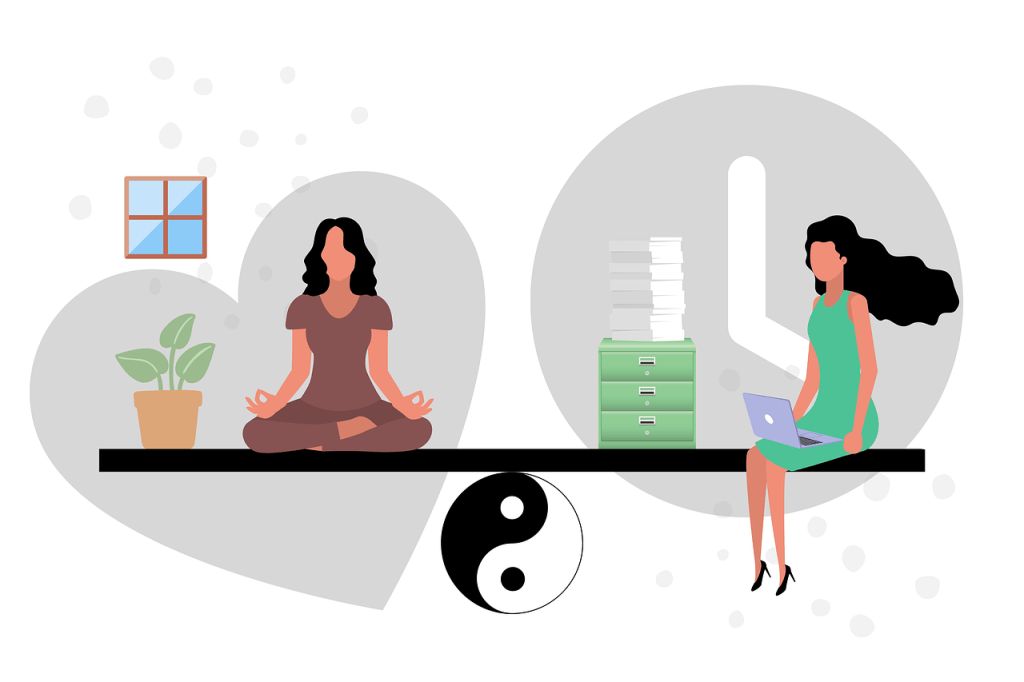
Life Well Lived image
Image by Rosy Ziegler from Pixabay

The Pharmacist Wordsmith – February 20, 2025 – Life-Changing Words Post #42

What does it mean to live well? For some, it’s about chasing big goals and achieving financial success. For others, it’s about deep relationships, personal growth, or simply enjoying the little moments. The truth is, there’s no single formula for a life well lived—and it certainly doesn’t start (or stop) at any particular age.

No matter where you are in life, you have the power to shape your future, find meaning in the present, and make choices that bring you joy and fulfillment.

The Myth of “Too Early” or “Too Late”

We often hear people say, “I’m too young to think about that,” or “It’s too late for me to start over.” But life isn’t a race with a fixed timeline. Some people find their calling at 20, while others reinvent themselves at 60. A life well lived isn’t measured by when you achieve something—it’s measured by how fully you engage with each stage of life.

  • In your 20s and 30s, you may be focused on building a career, exploring relationships, and figuring out who you are. This is a great time to take risks, develop skills, and establish the habits that will serve you for decades.
  • In your 40s and 50s, priorities may shift toward financial security, family, and deepening your purpose. This stage often brings reflection, where you evaluate what truly matters and adjust course accordingly.
  • In your 60s, 70s, and beyond, many people find freedom—whether through retirement, personal passions, or giving back. But this isn’t just a time to slow down; it’s a time to fully embrace what you love, invest in relationships, and continue learning and growing.

No matter your age, the key is to stay engaged, adaptable, and intentional with how you spend your time and energy—so take a minute to check out the free download offer below. Your future self will high-five you. 🙌

A worry-free, fulfilling retirement starts with the right plan. Download this FREE guide and take control of your future today!

The Essential Ingredients of a Life Well Lived

While everyone’s journey looks different, a fulfilling life often includes these common elements:

1. Purpose

A sense of purpose keeps life meaningful. Whether it’s through your work, hobbies, volunteerism, or relationships, having something to wake up for every day is essential.

2. Connection

Strong relationships make life richer. Prioritizing family, friendships, and community helps combat loneliness and adds depth to daily life.

3. Health and Well-Being

Taking care of your body and mind ensures you can enjoy life fully. Exercise, good nutrition, and mental self-care (like mindfulness or therapy) pay off at any age.

4. Financial Confidence

Money isn’t everything, but financial security allows you to focus on what really matters. Whether you’re just starting to save or managing retirement funds, making smart financial choices helps create freedom and peace of mind.

5. Learning and Growth

A well-lived life is one of continuous learning. Whether you’re picking up new skills, exploring new places, or challenging old beliefs, growth keeps life exciting and fulfilling.

6. Joy and Gratitude

Happiness isn’t just about big milestones—it’s found in the small, everyday moments. Practicing gratitude, being available for what you love, and appreciating the present all contribute to a deeply satisfying life.

Your Next Step: Live Well Today

No matter where you are in life, the best time to start living well is right now. Take a step toward something that excites you. Reconnect with an old friend. Start that book you’ve been meaning to read. Say yes to an opportunity you’ve been hesitating on.

A life well lived isn’t about waiting for the perfect moment—it’s about making the most of the one you have.

Published by One Books
www.jaynesbit.com

Filed Under: Blogs Tagged With: best life, Life Well Lived, personal growth, Purpose

If you work hard enough, you can achieve anything. Is this true?

December 27, 2024 by Jay Nesbit

The Pharmacist Wordsmith – December 26, 2024 – Life-Changing Words Post #38

We’ve all heard it before: “If you work hard enough, you can achieve anything.” It’s the backbone of the so-called American Dream, the belief that with grit and determination, anyone can rise above their circumstances and succeed.

But is this really how the system works? Lately, I’ve been questioning this narrative, especially after watching a video about meritocracy featuring Yale Law Professor Daniel Markovits.

Markovits argues that the concept of meritocracy—the idea that society rewards those who work the hardest and are the most talented—is not as fair or empowering as it seems.

Instead, it often reinforces inequality, creating barriers that make it nearly impossible for many people to succeed, no matter how hard they try.

Let’s break this down.

The Rx Wordsmith Logo
Click Here to Learn More

The Myth of Meritocracy

Meritocracy sounds great on the surface. It suggests that everyone starts on an even playing field, and success is determined solely by effort and skill. But the reality is far messier. For one, the so-called “level playing field” doesn’t really exist.

Children born into wealthier families often have access to better schools, tutors, and extracurricular opportunities that help them excel. These advantages compound over time, giving them a leg up when it comes to college admissions, internships, and job offers. Meanwhile, those from less privileged backgrounds often have to fight uphill battles just to get their foot in the door.

As Markovits points out, this system doesn’t just harm the underprivileged—it’s not great for the “winners” either. The constant pressure to perform, excel, and outwork everyone else creates a culture of burnout and dissatisfaction, even for those who are supposedly thriving.

Hard Work Alone Isn’t Enough

If hard work were the sole key to success, wouldn’t the hardest-working people always be the most successful? Think about teachers, nurses, or farmers—jobs that require long hours, physical labor, and emotional investment. These roles are essential to society, but they’re often undervalued and underpaid.

Contrast that with hedge fund managers or tech executives, who may work hard but also benefit from a system that disproportionately rewards certain skills and industries.

There’s also the issue of luck. Timing, connections, and even where you’re born can play a massive role in determining your opportunities. Hard work matters, sure, but it doesn’t guarantee results in a world where so many factors are beyond our control.

Rise Above the Rut book
Click Here to Learn More

The Flaws in the “American Dream”

The American Dream paints a rosy picture of upward mobility, but statistics tell a different story. Social mobility in the U.S. has been stagnating for decades. Many people find themselves stuck in the same socioeconomic bracket as their parents, no matter how hard they work.

The system often feels rigged to benefit those at the top. Tax policies, access to education, and healthcare costs all create hurdles for working-class families. And even when people do “make it,” the cost of that success can be immense—lost time with family, mental health struggles, and a relentless grind that leaves little room for joy.

So, What Does It Take to Get Ahead?

If hard work isn’t the whole answer, what is? The truth is there’s no single formula. Success often requires a mix of effort, opportunity, support systems, and yes, a bit of luck. But one thing is clear: we can’t rely solely on individual effort to solve systemic problems.

Real change comes from addressing the structural inequalities that hold people back. This means fighting for better access to education, healthcare, and fair wages. It means challenging the myth that success is solely a matter of personal merit and recognizing the role that privilege and opportunity play.

Small Changes BIG RESULTS book
Click Here to Learn More

A More Honest Conversation

This topic hits close to home for me. Like many, I’ve spent my life working hard and trying to do the right things. But when I reflect on the path I’ve taken, it’s clear that effort alone wasn’t the deciding factor. If anything, this realization motivates me to push for a world where hard work does pay off—no matter where you start.

It’s time to rethink the narrative around hard work and success. While effort and determination are important, they’re not the full story. By acknowledging the flaws in the system, we can start having more honest conversations about what it really takes to get ahead—and how we can create a society where everyone has a fair shot.

What are your thoughts? Do you still believe in the promise of hard work, or have you also started to question the system? Let’s discuss in the comments!

Published by One Books

Filed Under: Blogs Tagged With: personal growth, Purpose

Budgeting on a Modest Income: Simple Strategies to Get Ahead

November 28, 2024 by Jay Nesbit

The Pharmacist Wordsmith – November 28, 2024 – Life-Changing Words Post #36

When your income feels tight, the idea of budgeting can seem overwhelming. But with a few simple strategies, you can make your money stretch further, no matter how much you’re working with. I’m here to share a few practical tips that will help you budget effectively, reduce stress, and feel more in control of your finances.

1. Know Where Your Money Is Going

The first step to budgeting on a modest income is knowing where every dollar is going. It sounds basic, but it’s so easy to lose track of small purchases that add up over time. Start by keeping track of your spending for a month. There are plenty of apps to help, or you can go old-school with a notebook and pen. This will help you identify spending habits and areas where you can cut back.

2. Prioritize Your Needs

When you’re working with a modest income, it’s important to focus on the essentials first. That means housing, food, utilities, transportation, and health expenses should take priority in your budget. Once those are covered, you can work on finding room for other expenses like entertainment, hobbies, or saving for the future. It’s all about balance and making sure the most important things are covered.

Arriving on Bookstore Shelves in 2025 – Click Here to Preview

3. Set Realistic Goals

Setting financial goals can keep you motivated and give you something to aim for. Whether it’s building an emergency fund, paying off debt, or saving for a vacation, having a clear goal can make it easier to stay on track. Break your goals down into smaller, more manageable steps. For example, if you want to save $500 for an emergency fund, start by setting aside $50 a month.

4. Cut Out the Extras

Let’s face it: we all have those little luxuries that add up fast. Whether it’s takeout meals, daily coffees, or subscription services, trimming a few of these expenses can free up more room in your budget. You don’t have to eliminate everything that brings you joy, but it’s about being mindful and finding cheaper alternatives when possible.

5. Look for Discounts and Deals

Being on a modest income doesn’t mean you can’t enjoy life—you just have to be smart about how you spend. Always be on the lookout for discounts, deals, and coupons. Whether it’s groceries, clothing, or entertainment, there are often ways to save if you’re willing to do a bit of research. Apps and websites can make this process even easier.

6. Embrace the Power of a Simple Budget

You don’t need a complex budget to get started. In fact, the simpler, the better. Try the 50/30/20 rule as a starting point: 50% of your income goes to needs, 30% to wants, and 20% to savings or debt repayment. If your income doesn’t stretch that far, adjust the percentages to fit your situation. The key is finding a budget that works for you and sticking with it.

7. Plan for the Unexpected

Life happens, and unexpected expenses are inevitable. That’s why building a small emergency fund is crucial, even on a modest income. Start small—maybe it’s just $10 or $20 a week—but build the habit of setting money aside for those inevitable surprises.

8. Be Patient and Kind to Yourself

Budgeting on a modest income takes time, and progress can feel slow at first. The key is to stay consistent, even when it feels tough. Be kind to yourself, celebrate small victories, and remember that every little step brings you closer to your financial goals.

In Conclusion

Budgeting doesn’t have to be stressful. With a few tweaks and a little discipline, you can take control of your money and start building a more secure future. It’s all about making small, consistent changes that add up over time.

If you have any questions or need more tips, feel free to reach out! I’m always here to help you navigate your financial journey.

Published by One Books
The Pharmacist Wordsmith
Your Guide to Purposeful Living – Click Here to Learn More

Filed Under: Blogs Tagged With: best life, Budget, Decision-making, Goal Setting, personal growth

How Joining a Group in Retirement Can Rejuvenate Your Life

November 14, 2024 by Jay Nesbit

Women in a retirement group
Join a group in retirement to rejuvenate your life

The Pharmacist Wordsmith – November 14, 2024 – Life-Changing Words Post #35

Lately, I’ve been thinking a lot about the importance of community and social connection as I scale back my work hours and explore joining more groups in retirement. This reflection came after I attended a recent screening of a documentary about Robert Putnam, the political scientist behind Bowling Alone.

The film highlights how social groups and organizations build healthy communities. It got me thinking about my own experiences and the value of connecting with others during this stage of life. If you’re figuring out how to stay engaged in retirement, consider joining a group. It can refresh your life and bring the joy of new connections.

Why Community Matters in Retirement

In retirement, staying connected can be one of the best parts of life. Whether you’re volunteering, joining a group in retirement, or attending local events, finding ways to engage with others adds so much value. It can enrich your retirement experience and boost your overall well-being.

Small Changes Big Results Book Cover
Available on Amazon
Rise Above the Rut book cover
Available on Amazon

The Power of Joining a Group

For me, joining a group in retirement through volunteering has been incredibly rewarding. I work with an organization that collects book donations, and the funds from our annual sale support senior education programs in our community. Seeing the impact of people coming together for a shared cause has shown me just how powerful these connections can be.

It Doesn’t Have to Be a Big Commitment

Joining a group doesn’t mean you have to commit a ton of time. It’s about finding something you enjoy that helps you connect with others. Maybe it’s a book club where you explore exciting new reads. Or it could be a fitness class that keeps you active while meeting like-minded folks. You might prefer something creative, like a community garden where you can get your hands dirty with new friends. Whatever you choose, these connections can bring purpose and variety to your days.

My Personal Experience with Volunteering

As I slowly transition into full retirement, I’m looking for more chances to connect with others. The more I reflect on it, the more I see how joining more groups in retirement makes this next chapter of life not just enjoyable but truly meaningful. It’s not just about staying busy. It’s about staying engaged, learning new things, and forming relationships that matter.

Read Previous Blog Posts Here

Make This Chapter of Life Meaningful

If you’re nearing retirement or already there, I encourage you to think about what kind of group might interest you. Maybe there’s a cause you care deeply about or a hobby you’ve always wanted to explore. It’s never too late to find your place in a community. The benefits—social, emotional, and even physical—are well worth it.

The Next Steps: Finding Your Community

Finding your people in retirement could be one of the best decisions you make. Let’s make this time of life as vibrant and connected as possible! If you’ve already joined a group or are thinking about it, I’d love to hear your experiences. Drop a comment and share what’s made the biggest difference for you!

Published by One Books
The Pharmacist Wordsmith
Your Guide to Purposeful Living

Filed Under: Blogs Tagged With: best life, personal growth, Purpose

People Need Something to Depend On—and Something to Love

September 19, 2024 by Jay Nesbit

Jay Nesbit, “The Pharmacist Wordsmith” September 19, 2024 – Life-Changing Words Post #31
Man enjoying coffee and his cat
Image by Pexels on Pixabay

Something to Hold Onto

Life is full of twists and turns, and if there’s one thing we all crave, it’s something to depend on. “People Need Something to Depend On—and Something to Love” because it’s what keeps us grounded. It’s not just about the comforts of everyday routines, but the certainty that something steady exists in a world that often feels unpredictable.

Even more than stability, we need something to love. The combination of having both security and love creates the foundation for a life filled with warmth and meaning. Without them, life can feel empty and hollow, like we’re missing the very things that make it worth living.

Enter for a chance to win signed copies of my two books, personally autographed just for you!

Enter Giveaway now

The Need for Stability

Let’s be real, we all need stability. Not the “my house is spotless, and my life is completely organized” kind (if you’ve mastered that, teach me your ways). I’m talking about something that keeps us sane when life feels like a chaotic mess—because let’s face it, it often does.

For some, stability might come from a daily ritual, like having your coffee before the world demands anything from you. Or perhaps it’s having a go-to friend you can call when you need to vent about the fact that your favorite TV show just got canceled. Stability gives you that reassuring pat on the back, like, “Hey, it’s going to be okay, you’ve got this!”

We might not always notice it, but when we don’t have something reliable in our lives, everything feels like it’s in free fall. And let’s be honest, who wants to live in constant survival mode? I mean, sure, being spontaneous is fun, but I’m not trying to live like I’m constantly dodging meteors.

The Pharmacist Wordsmith Logo

The Need for Love

Now let’s talk about love. Ah, love! The thing that makes us feel all warm and fuzzy inside, like a freshly baked cookie—except without the calories. Love doesn’t have to be all violins and candlelit dinners, either. It could be the joy you feel when your dog greets you like you’ve been gone for 10 years, even though you just went to check the mail.

Love is that thing that gives life its sparkle. Whether it’s love for a person, a pet, or even a hobby (I see you, knitting enthusiasts), it’s the thing that gets you through those long days where you feel like you just can’t even. Without love, everything starts to feel a little ‘meh.’ It’s like watching a movie with no plot. Sure, the popcorn’s great, but where’s the excitement?

When you have something to love, it’s like having your very own personal cheerleader. And who doesn’t want that? Plus, love gives you stories to tell later—like that time you accidentally started a garden and ended up loving it, even though you couldn’t keep a houseplant alive to save your life.

Read Previous Blog Posts Here

Finding Both in Everyday Life

So, how do we find both stability and love when life feels like a never-ending obstacle course? The good news: it doesn’t have to be complicated. Dependability often comes from the simple things—like the comfort of your favorite chair waiting for you at the end of a long day or that one friend who always shows up, no matter what.

Love, on the other hand, is all around us if we take the time to notice. It could be in the warmth of a cozy blanket you wrap yourself in every night or in the joy of a hobby that makes your heart race, even if others don’t quite understand it. The truth is, finding both love and something to depend on doesn’t require grand gestures; it’s the small, everyday moments that add up to a life full of meaning.

Conclusion: A Balanced Life

At the end of the day, having something to depend on and something to love keeps us balanced, like a life-sized see-saw that hopefully doesn’t send us flying. Stability keeps us grounded, while love keeps life fun and exciting. If life ever feels too crazy or, worse, a little boring, just remember: all you really need is a little love and a little dependability (and maybe a nap).

one book llc

Filed Under: Blogs Tagged With: personal growth, Purpose, something to depend on, something to love

Science Says These Five Things Will Make You Happier

July 11, 2024 by Jay Nesbit

Photo by Pixabay
A man and a women expressing happiness
Jay Nesbit, “The Pharmacist Wordsmith” July 11, 2024 – Life-Changing Words Post #26

We all want to be happier, right? Life can feel like a roller coaster with its ups and downs. But what if there were simple, science-backed ways to boost your happiness? Good news! There are.

As someone who loves finding joy in the little things, I’ve tried many of these tips myself. Savoring a good cup of coffee, spending time with friends, or just taking a moment to breathe – these small changes have made a big difference in my life. Here are five things you can start doing today that will make you happier:

1. Practice Daily Gratitude

Start by counting your blessings. No, really. Practicing gratitude daily can seriously boost your mood. It’s easy to get caught up in what we don’t have or what’s going wrong. But focusing on what we’re thankful for can flip that script. When you wake up each morning and write down a few things you’re grateful for, it’s like a breath of fresh air for your soul.

Research by Robert Emmons and Michael McCullough in 2003 found that people who kept a gratitude journal felt more optimistic and better about their lives. You’ll find that even on tough days, there’s always something to be thankful for.

Click here to catchup on earlier posts you may have missed.

2. Surround Yourself with Positive People

Ever notice how spending time with upbeat people makes you feel lighter? There’s a reason for that. Positivity is contagious. When you’re around friends who make you laugh and feel good, it’s like a burst of sunshine on a cloudy day.

A study from 2008 by Nicholas Christakis and James Fowler found that happiness spreads through social networks. If your friends are happy, you’re more likely to be happy too. So, try to hang out with those who lift you up. It doesn’t mean you have to ditch your friends who are going through tough times but balance it out with those who bring joy into your life.

3. Do Regular Acts of Kindness

Doing good feels good. Helping others can make you happier, too. Imagine the warmth you feel after helping someone, even in a small way. It’s like a cozy hug from the universe.

In 2005, researchers Sonja Lyubomirsky, Kennon Sheldon, and David Schkade found that people who performed acts of kindness felt happier. It doesn’t have to be big. Hold the door for someone, pay for a stranger’s coffee, or volunteer your time. These little acts create a ripple effect of positivity, and you’ll find that giving kindness feels just as good as receiving it.

The Pharmacist Wordsmith

4. Spend More Time with Family and Friends

This one seems obvious, but it’s worth repeating. Spending quality time with loved ones is key to happiness. Think about the joy of a family game night or a heart-to-heart chat with a good friend.

A Harvard study that began in 1938 and followed participants for over 75 years found that close relationships were the biggest factor in keeping people happy and healthy. Relationships matter more than money or fame. So, plan that family outing or brunch with friends. These moments of connection are what life’s all about.

5. Spend Money on Experiences Instead of Things

We’ve all been guilty of a little retail therapy, but it turns out purchasing experiences brings more joy than buying stuff. Remember that amazing vacation or the fun concert you went to? Those memories stick with you and make you smile long after the event is over.

A 2014 study by Thomas Gilovich and Amit Kumar found that people are happier when they spend money on experiences like trips, concerts, or even a nice meal out. Experiences create lasting memories and connections, while the joy from material things fades quickly. So, next time you’re tempted to splurge on the latest gadget, think about putting that money toward something you can experience and enjoy with others.

In a Nutshell

So, there you have it! Five simple, science-backed ways to boost your happiness. By practicing daily gratitude, surrounding yourself with positive people, doing regular acts of kindness, spending more time with family and friends, and investing in experiences over things, you can turn those ups and downs into a smoother, happier ride. Start with one or try them all. Life is too short not to chase joy. Here’s to a happier you!

Published by One Books
One Books LLC

Filed Under: Blogs Tagged With: best life, personal growth

  • Page 1
  • Page 2
  • Page 3
  • Go to Next Page »

Primary Sidebar

Recent Posts

  • Lifelong learning and the pursuit of happiness
  • What if optimism is an act of courage?
  • Why Democracy Requires More Than Voting
  • On Luck, Choice, and the Strange Odds of Being You
  • Only 25% of people know what makes their life meaningful. Here’s how to find yours.

Recent Comments

  1. Jay Nesbit on The 5 Emotional Stages of Retirement (And How to Deal with Them)
  2. Barbara on The 5 Emotional Stages of Retirement (And How to Deal with Them)
  3. Colette Bartlett on A Life Well Lived at Any Age
  4. Jaylynn Lambert on A Life Well Lived at Any Age
  5. Axel Colton Kevin Sanford on A Life Well Lived at Any Age

Archives

  • August 2026
  • July 2026
  • June 2026
  • May 2026
  • April 2026
  • March 2026
  • February 2026
  • January 2026
  • December 2025
  • November 2025
  • October 2025
  • September 2025
  • August 2025
  • July 2025
  • June 2025
  • May 2025
  • April 2025
  • March 2025
  • February 2025
  • January 2025
  • December 2024
  • November 2024
  • October 2024
  • September 2024
  • August 2024
  • July 2024
  • June 2024
  • May 2024
  • April 2024
  • March 2024
  • February 2024
  • January 2024
  • December 2023
  • November 2023
  • October 2023
  • September 2023
  • June 2023
  • May 2023

Categories

  • Blogs
  • Privacy Policy
  • Terms of Use

Copyright © 2026 ONE BOOKS LLC. All rights reserved.

  • Privacy Policy
  • Terms of Use