
The Pharmacist Wordsmith – October 16, 2025 – Life-Changing Words Post #59
When it comes to the best investments for retirees, one thing is clear—your goals change. It’s no longer about getting rich quick. It’s about keeping what you’ve built, earning reliable income, and sleeping well at night. The trick is finding that sweet spot between safety, income, and long-term growth.
Below are some of the best investment options for retirees, along with their pros and their potential drawbacks—because every smart investor should know both sides of the story.
1. Dividend-Paying Stocks
Why they’re great: Dividend stocks give you regular income while your money keeps growing. Think big, stable companies like those in utilities, healthcare, or consumer staples.
Downside: Stocks are still stocks. They can lose value in a market downturn, and companies can reduce or even cancel dividends when times get tough. If you’re relying too much on stock income, a bad year can hurt.
💡 Tip: Keep dividend stocks as part of a balanced portfolio, not your entire income plan.
2. Bonds and Bond Funds
Why they’re great: Bonds are known for stability and predictable income. You loan money to a company or government, and they pay you interest on schedule. Perfect for retirees who like reliability.
Downside: When interest rates rise, bond prices drop. That means if you sell early, you could lose money. Inflation can also eat away at your real return—your “safe” bond income might not keep up with rising costs.
💡 Tip: Mix short- and long-term bonds to manage risk.
Want a free guide? Here you go!

3. CDs and High-Yield Savings Accounts
Why they’re great: These are about as safe as it gets. Your money is FDIC-insured, and you earn guaranteed interest. Great for emergency funds or short-term needs.
Downside: The returns are low compared to other investments, especially after taxes and inflation. You won’t get rich here—but you also won’t lose sleep.
💡 Tip: Ladder your CDs so they mature at different times, giving you access to cash when you need it.
4. Real Estate Investment Trusts (REITs)
Why they’re great: REITs let you invest in real estate without fixing toilets or chasing tenants. They often pay attractive dividends and help diversify your portfolio.
Downside: REITs can be sensitive to interest rate changes and economic slowdowns. When rates rise or property values drop, REIT prices can take a hit. Some are also heavily leveraged, which adds risk.
💡 Tip: Stick to publicly traded REITs with solid track records.
5. Balanced or Target-Date Retirement Funds
Why they’re great: These funds automatically adjust between stocks and bonds based on your age or target date. They offer built-in diversification with minimal effort.
Downside: You lose some control over your asset mix. These funds are “one size fits most,” not customized to your personal needs. Some also have higher fees than you’d expect.
💡 Tip: Review your fund’s mix every few years to make sure it still fits your risk level.
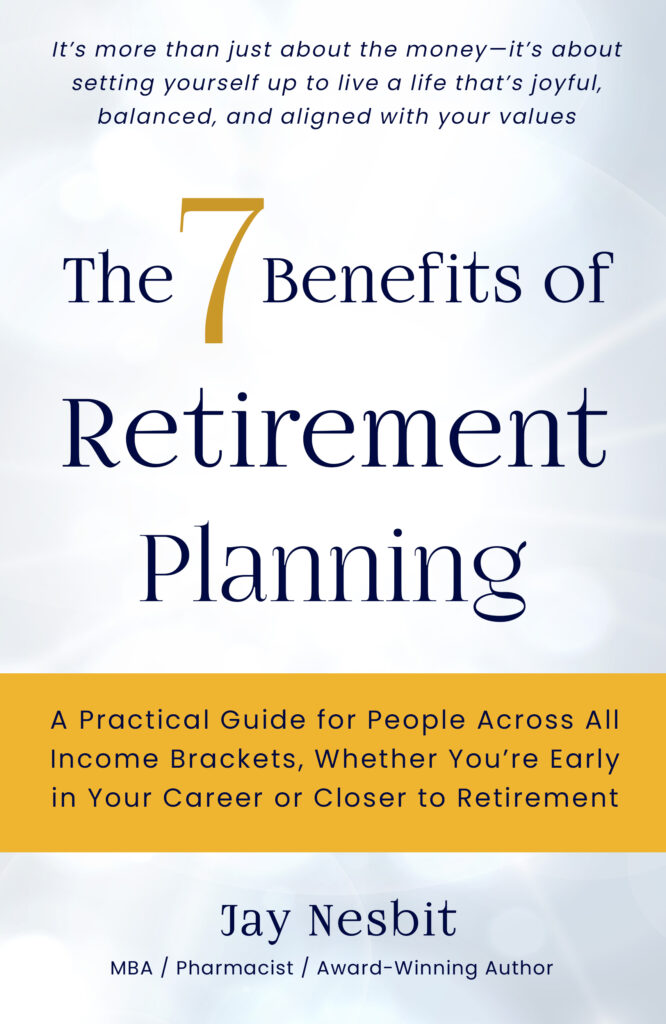
Peace of mind starts with a plan:
6. Annuities
Why they’re great: Annuities can provide guaranteed income for life, almost like a personal pension. They’re especially helpful for retirees who want predictable cash flow.
Downside: Many annuities come with high fees, limited liquidity, and complex terms. Once you buy in, your money can be tied up for years. And depending on the product, returns may not beat inflation.
💡 Tip: Stick with simple, fixed, or immediate annuities from well-rated companies. Avoid the fancy ones with too many riders and promises.
7. Index Funds and ETFs
Why they’re great: Index funds track major market indexes like the S&P 500. They’re low-cost, diversified, and historically deliver strong returns over time.
Downside: They rise and fall with the market. If you need to withdraw money during a downturn, you could be forced to sell at a loss. They’re best for retirees who can handle some market volatility.
💡 Tip: Pair index funds with bonds or cash to soften market swings.
Final Thoughts
The truth is, there’s no “one best investment for retirees.” The best portfolio blends multiple income sources—dividends, bonds, interest, and maybe a little real estate. This combo helps your money last, your income stay steady, and your stress stay low.
When planning your retirement strategy, remember that the best investments for retirees aren’t about chasing the highest returns. They’re about protecting your future and enjoying your freedom.
Try This Today:
Take 15 minutes to review your mix of investments. Write down:
What percentage of your money is in safe, income-producing assets
How much is exposed to market risk
Whether your current mix matches your comfort level
If you’re unsure, talk with a fiduciary financial advisor—not a salesperson