
The Pharmacist Wordsmith – January 22, 2026 – Life-Changing Words Post #66
Most people don’t lie awake dreaming about being rich.
They lie awake wondering if they’ll be okay.
Will I run out of money?
Will I become a burden?
Did I wait too long to get this right?
If you’ve asked any of those, you’re not alone—and you’re not behind.
For most middle-class earners, the real problem isn’t effort. It’s noise. Conflicting advice. Different rules for different people. Bills, savings, and retirement all blurring together.
That’s the money fog.
Here’s how to cut through it.
Enough Isn’t a Number (And That’s a Relief)
One of the biggest myths in retirement planning is that there’s a single magic number you’re supposed to reach. Miss it and you fail. Hit it and you’re safe.
Real life isn’t that clean.
Enough is personal.
It shifts as your life shifts.
It’s shaped by what you value most.
For some, enough in retirement means going places they put off for years. Visiting family. Taking the “someday” trip while their legs, energy, and health still make it enjoyable.
For others, enough means staying right where they are. Living in a familiar home. Keeping the same routines. Not worrying that rising costs will force hard, unwanted choices.
For many, enough means peace of mind. Paying the bills without a knot in their stomach. Saying yes more often. Saying no without feeling boxed in.
And for almost everyone, enough includes health. Not just feeling good—but being able to afford the care, medications, and support that tend to show up later in life if you plan for them… or not.
Knowing what Enough is, for you, cuts through the money fog.
It’s not about status.
I suggest aiming for security and choice.
Research backs this up. Studies reported in The New York Times have shown that people often feel financially behind not because they haven’t saved enough, but because they don’t have a clear idea of what they’re aiming for. When retirement goals are vague or constantly shifting, confidence drops—even when progress is being made.
Put simply:
Not knowing what “enough” looks like for you creates more stress than not having as much money as you’d like.
So, here’s how to clear your money fog.
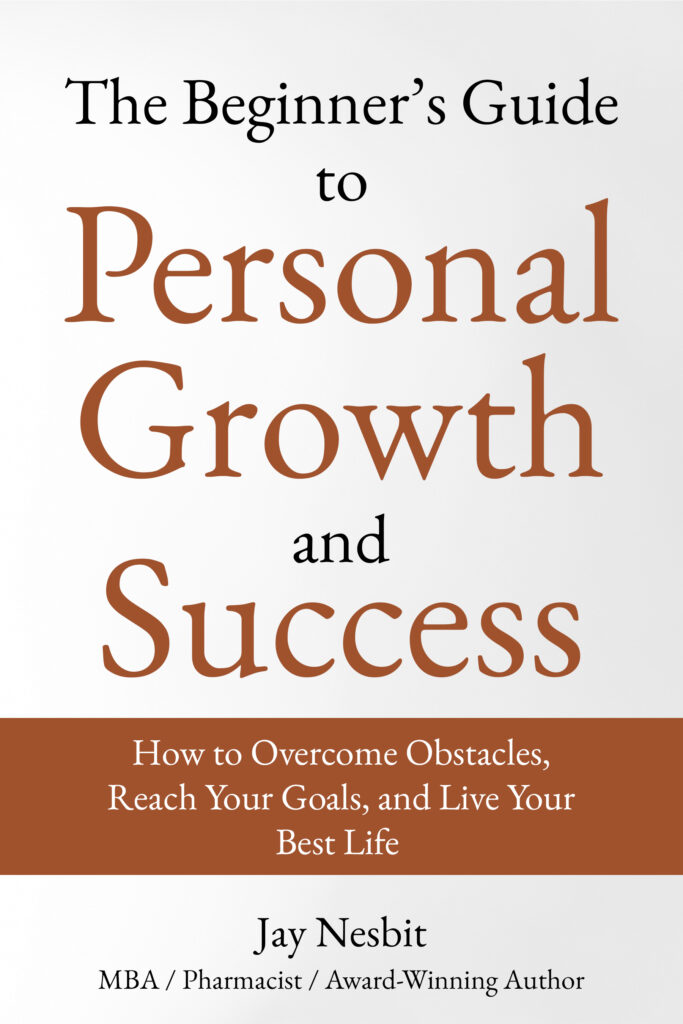
Want a free book? Here you go!
How to Start Clearing the Money Fog
You don’t need a dramatic overhaul. You need a few steady moves that bring your future into focus.
Start with a simple, personal definition of enough to retire. Not a number. But a vivid picture of the life you want to enjoy—your home, your time, your health, and the people and activities you care about. That picture becomes your anchor.
Next, turn your goal into a few small, clear steps you can actually follow.
Start by tracking just one or two things that tell you how you’re doing.
For example, how many months your savings could cover your basic expenses. Or whether your future income will roughly match your future bills.
When you can see progress in plain terms, motivation doesn’t have to be forced.
It starts to show up on its own.
Then, set gentle defaults. Automate one good decision—an automatic transfer to savings, a regular investment, a simple bill system. Let your plan work in the background while you live your life in the foreground.
What Enough to Retire Actually Looks Like
Enough isn’t a finish line.
It’s a zone you grow into.
A place where your basics are covered, your lifestyle feels steady, and your future feels manageable. Where a surprise doesn’t derail everything. Where health care, housing, and daily life fit inside a plan you understand.
That’s what confidence feels like—not certainty, but steadiness.
A Yes You Can Say Today
You don’t have to solve your whole financial future.
You just have to take one clear step toward your version of enough.
Define it.
Track it.
Support it with one simple system.
That’s how the fog lifts—not all at once, but one good decision at a time.
A Thought to Leave You With
You don’t need to be perfect to retire well.
You don’t need to follow someone else’s path.
You don’t need to catch up overnight.
You need a definition of enough that fits your life—and the patience to move toward it.
That’s where confidence in retirement planning really begins.
Call-to-Action
If this post resonated, you may want to take the next step.
My book, The Seven Benefits of Retirement Planning, walks through why having a clear retirement plan clears the money fog—and how it reduces stress, improves decision-making, and helps you feel more confident about the future.
It’s written for people who don’t want hype or complicated strategies—just practical guidance that fits real life.
👉 If you’re wondering whether you’re on track, this book is a great place to start.