The Pharmacist Wordsmith – January 8, 2026 – Life-Changing Words Post #65
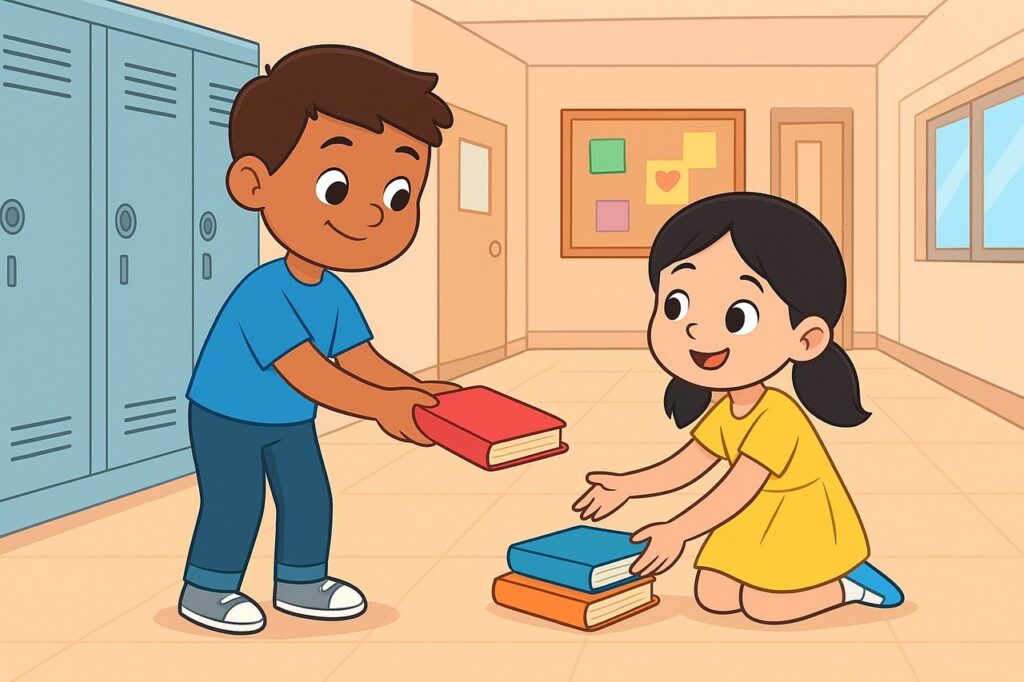
Kindness sounds soft. Almost too simple.
But in real life, it’s one of the most powerful things we practice. And one of the most overlooked.
Kindness changes other people.
It also changes you. Often in ways you don’t notice until later.
Let’s break it down. The who, what, when, where, why, and how.
What Is Kindness, Really?
Kindness isn’t grand gestures.
It’s not performative. And it’s not about being a pushover.
Kindness is choosing to respond with care when you could just as easily be indifferent.
Or sharp. Or rushed.
It’s listening without interrupting.
Giving someone the benefit of the doubt.
Helping without keeping score.
Sometimes kindness is quiet.
Sometimes it’s inconvenient.
Sometimes it’s just not making a bad day worse.
Who Benefits From Kindness?
Short answer: everyone involved.
Others benefit because:
- They feel seen and respected
- Stress drops, even briefly
- Trust grows
- Difficult moments soften
You never know what someone is carrying. Kindness gives them a little breathing room.
You benefit because:
- Your mood improves
- Stress hormones drop
- You feel more connected
- You like who you see in the mirror a bit more
Here’s my take:
Kindness is one of the fastest ways to feel useful and grounded without needing to fix anything.
Want a free book? Here you go!
Why Kindness Matters So Much Right Now
People are tired.
Overstimulated. Distracted. On edge.
A kind interaction stands out because it’s rare.
It slows things down.
Kindness reminds people they’re not invisible.
And it reminds you that you still get to choose how you show up.
I’ve seen this firsthand in healthcare.
A calm tone. A patient explanation. A moment of patience.
It changes the entire interaction.
Same person. Same problem.
Different outcome.
When Should You Practice Kindness?
This one’s easy.
- When it’s easy
- When it’s awkward
- When you’re busy
- When you’re tired
- Especially when you’re annoyed
Kindness matters most when it would be simpler not to bother.
That doesn’t mean saying yes to everything.
It means being decent while holding boundaries.
Where Does Kindness Show Explain Itself?
Everywhere.
- At home
- At work
- In line at the store
- Online (yes, especially there)
- With strangers
- With family
- With yourself
And let’s be honest.
Self-kindness might be the hardest one on the list.

Totally optional. Always appreciated.
How Do You Practice Kindness Without Overthinking It?
Keep it small.
Kindness doesn’t need a strategy.
Try this:
- Say thank you and mean it
- Learn someone’s name
- Pause before reacting
- Assume good intent once in a while
- Let someone go first
- Send a quick “thinking of you” message
- Give yourself permission to rest
My rule of thumb:
If it takes less than two minutes and costs you nothing, it’s probably worth doing.
The Long-Term Payoff
Kindness compounds.
Just like good habits. Just like neglect.
You build:
- Better relationships
- More trust
- A calmer nervous system
- A reputation you don’t have to explain
And quietly, over time, you become someone people feel safe around.
That matters.
A Final Thought
You won’t always see the impact of your kindness.
That’s okay.
Most of the good we do echoes later.
In ways we never get credit for.
Practicing kindness isn’t about being nice.
It’s about being intentional.
And in a world that’s loud, rushed, and distracted,
that choice still counts for something.